Beginner's Guide to Dim Sum: What to Order in Vancouver
Your complete beginner's guide to dim sum in Vancouver. Learn what to order, how to read the menu, dim sum etiquette, and the best restaurants from Chinatown to Richmond.
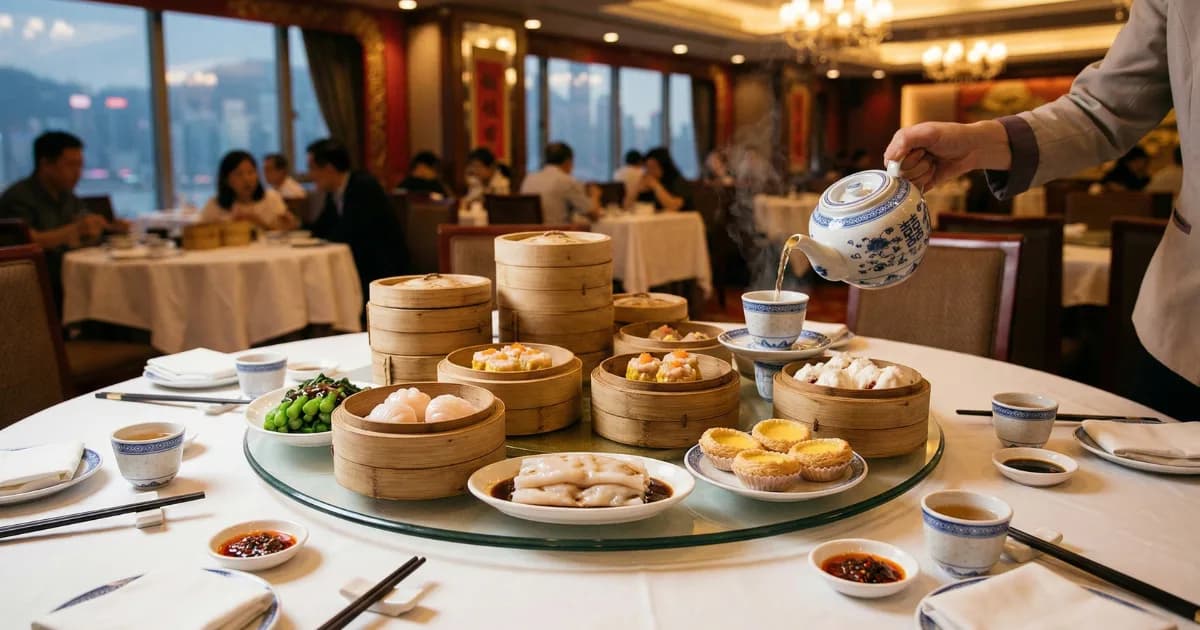
Dim sum, the beloved Cantonese tradition of bite-sized portions and endless tea, can feel overwhelming to newcomers navigating the bustling dining rooms of Vancouver's vibrant Chinese restaurants. From understanding the difference between steamed dumplings and fried wontons to knowing which carts to flag down, mastering dim sum requires a bit of guidance—but the learning curve is well worth the delicious reward. This guide breaks down everything beginners need to know to confidently order like a seasoned dim sum enthusiast at Vancouver's best spots.
Last reviewed: March 2026. Data current as of this date.
Beginner's Guide to Dim Sum:
What to Order in Vancouver
Vancouver is one of the best cities in North America to eat dim sum, and it isn't particularly close. The metro area's deep Cantonese roots — shaped by waves of immigration from Hong Kong and Guangdong province stretching back over a century — have produced a dim sum scene that rivals Hong Kong itself in breadth if not in sheer density[1]. On any given weekend morning, thousands of Vancouverites are crowded into banquet-sized dining rooms across Richmond, Chinatown, and the suburbs, sipping tea, flagging down cart pushers, and arguing about which restaurant makes the best har gow.
But if you've never been to dim sum before, walking into one of those cavernous dining halls can feel overwhelming. The noise level alone — a hundred conversations in Cantonese and Mandarin layered over the clatter of steamer baskets and tea cups — is its own kind of sensory experience. The menu, if there is one, might run to 80 items. The cart system moves fast. And nobody is going to pause and explain what's in the bamboo steamer that just rolled past your table. You either point at it or it's gone.
This guide is designed to fix that. Whether you've never touched a dumpling or you've been a few times but still feel uncertain about what to order, what follows is a practical walkthrough of the entire dim sum experience in Vancouver — from the history of the tradition to the specific dishes that belong on every beginner's table, the etiquette that will earn you a nod of respect from your Cantonese dining companions, and the restaurants across Metro Vancouver that are worth your Saturday morning.
Summary: Vancouver's dim sum scene is among the strongest in North America, built on over a century of Cantonese immigration. This guide covers the essential dishes every beginner should try, how to navigate the ordering system, dim sum etiquette including the tea-tapping tradition, vegetarian options, price expectations from budget to premium, and the best restaurants across Richmond, Chinatown, and the broader Metro Vancouver area.
What Is Dim Sum? A Brief History
Dim sum — literally "touch the heart" in Cantonese — originated in the teahouses of Guangdong province in southern China, where travellers along the Silk Road would stop for tea and small bites[2]. The tradition dates back centuries, rooted in the Cantonese custom of yum cha (飲茶), which translates to "drink tea." The food was always secondary to the tea; dim sum dishes were designed as small accompaniments that wouldn't overwhelm the palate or distract from conversation.
Over time, the food evolved from simple snacks into an elaborate culinary tradition. Cantonese chefs developed hundreds of distinct dim sum preparations — steamed, fried, baked, and braised — each one designed to be eaten in two or three bites, shared across the table, and consumed alongside bottomless pots of Chinese tea. By the early twentieth century, dim sum had become the defining social meal of Cantonese culture: a family affair, a business meeting format, and a weekend ritual all at once[3].
Vancouver inherited this tradition directly. The city's Chinatown, established in the 1880s, was one of the first Chinese communities in North America, and Cantonese cuisine — including dim sum — arrived with those early immigrants[1]. The waves of Hong Kong immigration in the 1980s and 1990s, driven by the approaching 1997 handover, brought a second surge of Cantonese culinary expertise that transformed Richmond into one of the most important Cantonese dining destinations outside of Asia. Today, Metro Vancouver's dim sum restaurants range from no-frills Chinatown stalwarts that have been open for decades to gleaming, modern banquet halls in Richmond that seat 400 and turn over tables three times on a Saturday morning.
The key thing to understand about dim sum is that it's not a dish — it's a format. You don't order one entree. You order many small plates, shared across the table, arriving in waves over the course of an hour or two. The meal is designed to be social, communal, and exploratory. You try a bit of everything. Some dishes you'll love immediately. Others take a second or third visit to appreciate. That's by design.
Craving something fresh?
The Storm Cafe delivers freshly prepared Asian meals across Vancouver — try a free tasting box.
Order Fresh Meals →The Dim Sum Experience: Push Carts vs. Ordering Slips
There are two systems you'll encounter at dim sum restaurants in Vancouver, and knowing which one you're walking into makes a real difference in how your meal unfolds.
The Push Cart System
The traditional dim sum experience involves servers pushing heated carts through the dining room, each cart loaded with bamboo steamers and small plates. As a cart passes your table, you look at what's on it, point at what you want, and the server stamps or marks your bill card to record the order. Each dish is categorized by size and price — typically small, medium, large, and special — and you accumulate stamps throughout the meal.
The cart system is visceral and fun. You see the food before you commit. You can peek inside steamers, ask the cart pusher what something is, and make snap decisions based on what looks best right now. The downside is unpredictability: the cart with har gow might pass your table early, or it might not come around until you've already filled up on other things. Popular items run out. If you're seated far from the kitchen, you get last pick from carts that have already been picked over by closer tables.
Where you'll find carts in Vancouver: The traditional cart system has been declining across Metro Vancouver, but a few restaurants still run it — primarily during weekend brunch hours. Floata Seafood Restaurant in Chinatown is one of the most well-known cart-service spots. Some Richmond restaurants run a hybrid model with carts for popular items and ordering slips for the full menu.
The Ordering Slip System
Most modern dim sum restaurants in Vancouver have shifted to paper ordering slips — a printed checklist of every item on the menu, organized by category (steamed, fried, baked, rice/noodle, dessert) with checkboxes next to each. You mark what you want with a pencil, hand the slip to your server, and the kitchen prepares your selections to order.
The ordering slip is more efficient and ensures you get exactly what you want, fresh from the kitchen. It also means you need to know what you're ordering, because you can't see it first. The menu is often bilingual — Chinese and English — but the English descriptions can be cryptic. "Steamed fresh shrimp dumpling" is clear enough. "Phoenix talons in black bean sauce" requires a bit more knowledge (it's chicken feet).
How to handle the ordering slip: Look for the category headings. Start with the steamed section, which contains most of the classic dishes. Mark 4-6 items for a table of two, 8-12 for a table of four. You can always order more rounds. Don't try to order everything at once — the dishes arrive in stages, and you want to pace yourself.
Essential Dim Sum Dishes: The Beginner's Order
If you order nothing else, these are the dishes that define dim sum. Every beginner should try each of these at least once. They represent the core vocabulary of Cantonese dim sum, and ordering them confidently will serve you at any restaurant in Vancouver.
Har Gow (蝦餃) — Steamed Shrimp Dumplings
Har gow is the single most important dish in dim sum. It's the benchmark by which dim sum kitchens are judged, and experienced diners use it as a quality test: if the har gow is good, the kitchen is competent. If it's exceptional, you're in the right place.
Each dumpling is a translucent wrapper — made from a mix of wheat starch and tapioca starch — encasing a filling of whole shrimp, sometimes with bamboo shoots and a touch of sesame oil. The wrapper should be thin enough to see the pink of the shrimp through it, but sturdy enough to hold together when you pick it up with chopsticks. It should have a pleasing elasticity — not gummy, not papery. The shrimp inside should snap when you bite through, with a clean sweetness that tastes of the ocean, not of the freezer[4].
What to look for: Exactly 7 to 10 pleats on the top of each dumpling is considered the standard of good craftsmanship. The wrapper should be slightly sticky on the outside from steaming but not soggy. If the dumplings are stuck together in the steamer, the kitchen didn't oil the basket properly — a minor but telling detail.
Chinese menu name: 蝦餃 (ha gaau) Price category: Medium to Large ($6-$8 for 3-4 pieces)
Siu Mai (燒賣) — Pork and Shrimp Dumplings
Siu mai is har gow's companion — the two are almost always ordered together and are considered the foundational pair of any dim sum meal. Where har gow is delicate and translucent, siu mai is open-faced and robust: a cup of thin yellow egg wrapper filled with a mixture of ground pork, shrimp, and sometimes mushroom, topped with a dot of fish roe or a sliver of carrot for colour.
The texture should be bouncy — the pork-shrimp filling is typically mixed with a small amount of fat that keeps it moist and gives it a springy bite. The wrapper is a thin band around the outside, not covering the top, so the filling is partially exposed to the steam. This gives siu mai a more textured, meatier eating experience than the smooth, enclosed har gow.
Chinese menu name: 燒賣 (siu maai) Price category: Medium ($5-$7 for 3-4 pieces)
Char Siu Bao (叉燒包) — BBQ Pork Buns
Char siu bao comes in two forms: steamed and baked. Both are essential, and they're different enough that ordering both is not redundant.
Steamed char siu bao is a puffy, white, slightly sweet bun made from a leavened dough that splits open at the top during steaming, revealing the glossy, reddish-brown BBQ pork filling inside. The dough should be cloud-light and slightly sweet. The filling is diced char siu (Chinese BBQ pork) in a thick, sweet-savoury sauce.
Baked char siu bao (sometimes called "cocktail buns" on English menus) has a golden, slightly crispy exterior with a crumbly, cookie-like top crust. The filling is similar but the eating experience is completely different — richer, more buttery, with a textural contrast between the crisp shell and the saucy pork inside.
Chinese menu name: 叉燒包 (cha siu baau) Price category: Medium ($5-$7 for 3 pieces)
Cheung Fun (腸粉) — Rice Noodle Rolls
Cheung fun is a wide sheet of silky rice noodle rolled around a filling — most commonly shrimp, BBQ pork, or beef — and drizzled with a light, sweet soy sauce. The rice noodle sheet should be impossibly thin and slippery, almost translucent, with a delicate chew that dissolves on the tongue. The filling inside provides a flavour and texture anchor.
This is one of the dishes that separates a good dim sum restaurant from an average one. Making cheung fun well requires a specific steaming technique where a thin batter is poured onto a flat tray, steamed for seconds, then rolled around the filling while still pliable. Bad cheung fun is thick, rubbery, and tastes of old rice. Good cheung fun is ethereal.
Order the shrimp version (鮮蝦腸粉) your first time — the clean sweetness of the shrimp against the silky noodle is the purest expression of the dish.
Chinese menu name: 腸粉 (cheung fan) Price category: Medium to Large ($6-$9)
Lo Bak Go (蘿蔔糕) — Turnip Cake
Despite the name, turnip cake is made from daikon radish — a long, white root vegetable — mixed with rice flour, dried shrimp, Chinese sausage, and dried mushroom, then steamed into a firm block and pan-fried to order. The result is a savoury cake with a crispy golden exterior and a soft, slightly creamy interior studded with bits of sausage and shrimp.
Turnip cake is often listed as "radish cake" or "turnip cake" on English menus. It arrives as rectangular slices, pan-fried on both sides. The best versions have a pronounced crust from the pan-frying, with the interior still moist and rich with the flavour of the dried seafood.
Chinese menu name: 蘿蔔糕 (lo baak gou) Price category: Medium ($5-$7 for 3 slices)
Dan Tat (蛋撻) — Egg Tart
Egg tarts are the quintessential dim sum dessert — a flaky, buttery pastry shell filled with a smooth, lightly sweetened egg custard. They arrive warm from the oven and should be eaten immediately, while the pastry is still crisp and the custard is just set.
Two styles exist: the Hong Kong-style tart has a cookie-like shortcrust pastry, while the Macanese/Portuguese-style has a flaky puff pastry shell with a slightly caramelized custard top. Most Vancouver dim sum restaurants serve the Hong Kong version, though some offer both.
Chinese menu name: 蛋撻 (daan taat) Price category: Small to Medium ($4-$6 for 2-3 pieces)
Congee (粥) — Rice Porridge
Congee is a slow-cooked rice porridge that's been simmered until the grains have broken down into a smooth, thick consistency. At dim sum, it's served in individual bowls with toppings like sliced fish, pork and century egg, or chicken. Congee is comfort food — warm, gentle on the stomach, and a good counterbalance to the richer fried and steamed dishes.
Chinese menu name: 粥 (juk) Price category: Medium ($6-$9)
How to Read a Dim Sum Menu
Dim sum menus at Vancouver restaurants are typically organized by cooking method and priced by portion size. Understanding the structure helps you navigate even an 80-item menu with confidence.
Menu Categories
| Category | Chinese | What to Expect |
|---|---|---|
| Steamed | 蒸 (zing) | Dumplings, buns, rice noodle rolls in bamboo steamers |
| Fried | 炸 (ja) | Spring rolls, taro dumplings, fried squid |
| Baked | 焗 (guk) | Baked pork buns, egg tarts, pineapple buns |
| Rice/Noodle | 飯/麵 (faan/min) | Fried rice, lo mein, cheung fun, congee |
| Dessert | 甜品 (tim ban) | Egg tarts, mango pudding, sesame balls |
| Special | 特價 (dak ga) | Chef's specials, larger dishes, seasonal items |
Price Tiers
Most dim sum restaurants in Vancouver use a tiered pricing system:
| Tier | Typical Price | Examples |
|---|---|---|
| Small (小) | $4-$5 | Spring rolls, steamed vegetables, sesame balls |
| Medium (中) | $5-$7 | Siu mai, char siu bao, turnip cake, congee |
| Large (大) | $6-$9 | Har gow, cheung fun, spare ribs, stuffed peppers |
| Special (特) | $8-$14 | Peking duck rolls, lobster dumplings, whole steamed fish |
Common Chinese Terms You'll See
Knowing a few key terms makes the menu far less intimidating:
- 蝦 (ha) — shrimp. Appears in har gow, shrimp cheung fun, shrimp toast
- 叉燒 (cha siu) — BBQ pork. The sweet-glazed roast pork used in buns and noodle rolls
- 排骨 (paai gwat) — spare ribs. Usually steamed with black bean sauce and garlic
- 鳳爪 (fung zaau) — phoenix talons, meaning chicken feet. A classic dim sum dish
- 豆腐 (dau fu) — tofu. Found in steamed tofu rolls and stuffed tofu
- 蝦餃 (ha gaau) — har gow. Shrimp dumplings
- 蒸 (zing) — steamed
- 炸 (ja) — deep-fried
- 煎 (jin) — pan-fried
Dim Sum Etiquette: What Every Beginner Should Know
Dim sum has its own set of social customs. None of these are enforced — nobody will ask you to leave for making a faux pas — but following them shows respect for the tradition and will earn you quiet approval from more experienced diners at nearby tables.
The Tea Ritual
Tea is not optional at dim sum. It's the foundation of the meal. When you sit down, your server will ask what tea you'd like — or in some restaurants, the tea selection is already on the table. The standard options are:
- Pu-erh (普洱) — dark, earthy, slightly fermented. The classic dim sum tea. Its bold flavour cuts through the richness of fried and steamed dishes. Best all-around choice for beginners.
- Chrysanthemum (菊花) — floral, light, slightly sweet. Good for summer or if you prefer a gentler flavour.
- Jasmine (茉莉) — fragrant and aromatic. Popular and widely available.
- Oolong (烏龍) — semi-oxidized, balanced. A good middle ground between pu-erh's earthiness and jasmine's lightness.
Tapping the Table: The Thank-You Gesture
This is the most distinctive dim sum custom, and understanding it instantly marks you as someone who knows the tradition. When someone pours tea for you, tap the table twice with two or three bent fingers. This gesture is a silent "thank you" that doesn't interrupt conversation[5].
The origin story, passed down across Cantonese teahouse culture, involves a Qing dynasty emperor who disguised himself as a commoner while travelling and poured tea for his servants. They wanted to kowtow in gratitude but couldn't without revealing his identity, so they tapped the table with bent fingers to simulate the gesture of kneeling. Whether or not the story is historically accurate, the custom is universally practiced at dim sum tables across Vancouver, Hong Kong, and anywhere Cantonese tea culture has taken root.
Sharing and Serving
Dim sum is a communal meal. Every dish goes to the centre of the table. Use the serving chopsticks (if provided) or the blunt ends of your own chopsticks to transfer food from the shared plate to your own. Never reach across the table with your personal chopsticks into a shared dish — this is considered poor form.
If there are three pieces in a steamer and four people at the table, the polite move is to ask if anyone wants the last piece rather than taking it yourself. This dance can go on for a while. It's part of the ritual.
Pouring Tea for Others
Always pour tea for others at the table before refilling your own cup. When the pot runs dry, lift the lid and set it ajar on top of the pot — this is the universal signal at dim sum restaurants that you need a refill, and the server will replace the pot without you having to flag anyone down[5].
Paying the Bill
At restaurants using the stamp card system, your server totals the stamps at the end and brings the bill. At ordering slip restaurants, you simply ask for the bill. Dim sum is typically one bill for the table, not split per person. In Chinese dining culture, offering to pay the bill is a gesture of generosity, and two people fighting over the bill is a common and expected performance. For groups of friends, the most practical approach is to take turns paying across multiple visits.
Tipping in Vancouver follows the standard Canadian convention: 15-18% for adequate service, 18-20% for good service.
The Dim Sum Ordering Cheat Sheet
Vegetarian Dim Sum Options
Dim sum is traditionally a meat-heavy meal, but Vancouver's restaurants have expanded their vegetarian offerings significantly in recent years. You won't have trouble eating well as a vegetarian at dim sum — though you do need to know what to look for.
Reliable Vegetarian Dishes
- Steamed vegetable dumplings (素菜餃) — Mixed vegetable filling in a translucent wrapper. Available at most dim sum restaurants.
- Tofu skin rolls (腐皮卷) — Seasoned vegetables wrapped in bean curd skin, then steamed or fried. A good protein-rich option.
- Stir-fried Chinese greens (炒菜心) — Gai lan (Chinese broccoli) or choy sum stir-fried with garlic. Simple, reliable, always available.
- Turnip cake (蘿蔔糕) — Some restaurants make a vegetarian version without the dried shrimp and sausage, but you'll need to ask.
- Congee with mushroom or vegetable — Request a plain congee or one with preserved egg (which is egg-based, not meat).
- Sesame balls (煎堆) — Deep-fried glutinous rice balls coated in sesame seeds, filled with sweet red bean or lotus paste. Naturally vegetarian and a classic dim sum dessert.
- Egg tarts (蛋撻) — Vegetarian by default (egg, butter, sugar, flour).
Watch Out For
Several dishes that look vegetarian contain hidden animal products. Chinese sausage (lap cheong) is in many steamed rice dishes and turnip cakes. Dried shrimp shows up in turnip cake and fried radish dumplings. Oyster sauce is used in many vegetable stir-fries. If you're strictly vegetarian or vegan, let your server know at the start — most kitchens can accommodate if given advance notice, but the default preparation of many dishes includes animal-derived ingredients.
Price Expectations: Budget vs. Premium Dim Sum
How much you spend at dim sum in Vancouver depends heavily on where you go and how much you order. Here's a realistic breakdown.
Budget Dim Sum ($15-$20 per person)
At the budget end, you're looking at older-school Chinatown restaurants and some of the more modest Richmond spots. Dishes are priced lower, portions are standard, and the atmosphere is utilitarian. The food can be excellent — budget dim sum doesn't mean bad dim sum. Some of the best siu mai and har gow in Metro Vancouver come from restaurants with laminate tables and fluorescent lighting.
Where to find it: Kent's Kitchen (Chinatown), various No. 3 Road restaurants in Richmond, Burnaby dim sum spots along Kingsway.
What $15-$20 gets you: 4-5 dishes for two people, including tea. Enough to sample the essentials without overordering.
Mid-Range Dim Sum ($20-$30 per person)
The sweet spot for most diners. Mid-range dim sum restaurants offer a wider menu, better presentation, and typically fresher preparation. This is where you'll find the broadest selection of specialty items alongside the classics.
Where to find it: Floata (Chinatown), Dynasty Seafood (Broadway), most established Richmond dim sum restaurants.
What $20-$30 gets you: 6-8 dishes for two people, tea, and room to try a couple of adventurous items beyond the basics.
Premium Dim Sum ($30-$50 per person)
At the premium end, you're paying for superior ingredients, refined technique, and a polished dining environment. The har gow at a premium spot will have larger, sweeter shrimp. The cheung fun will be thinner and silkier. The char siu bao will use higher-quality pork with a more complex glaze. These differences are real and detectable, though they matter more to experienced dim sum eaters who have the baseline to compare against.
Where to find it: Chef Tony Seafood Restaurant (Richmond), Kirin (multiple locations), Western Lake Chinese Seafood (New Westminster).
What $30-$50 gets you: 8-12 dishes for two people, tea, premium ingredients, and typically better service with knowledgeable servers who can guide your order.
Weekend Brunch Rush vs. Weekday Dim Sum
The single most practical thing a dim sum beginner can do is go on a weekday. Here's why.
Weekend Dim Sum (Saturday and Sunday, 10am-2pm)
This is the traditional dim sum experience — crowded, noisy, social. Families take over large round tables. Grandparents bring grandchildren. The dining room is full by 10:30am at any popular restaurant, and by 11:00am you're waiting 20-45 minutes for a table at well-known spots in Richmond[6].
Weekend dim sum is an event. The energy is part of the appeal. But for a first-timer trying to navigate the ordering system, choose dishes thoughtfully, and actually taste what they're eating, it can be chaotic. The kitchen is running at maximum output, which means quality can slip on busy mornings. Popular items sell out on the carts. Servers are stretched thin.
If you go on a weekend: Arrive before 10:00am. Many restaurants open at 9:00 or 9:30am for dim sum service, and the first hour is dramatically calmer than the 11:00am-1:00pm peak. Alternatively, go late — after 1:30pm, the crowds thin and you'll have more space, though some items may be sold out.
Weekday Dim Sum (Monday-Friday, typically 10am-3pm)
Weekday dim sum is the insider move. The same kitchen, the same menu, but with a fraction of the crowd. You can get seated immediately, take your time with the ordering slip, and the dishes arrive faster because the kitchen isn't backed up with 200 simultaneous tables.
Many restaurants also run weekday specials or set lunch deals that can bring your per-person cost down by $3-$5 compared to weekend pricing. The tradeoff is atmosphere — weekday dim sum is quieter, with more solo diners, retirees, and small groups. If you want the full communal experience, go on a weekend. If you want to actually learn and enjoy the food without the pressure, start on a weekday.
Best Dim Sum Restaurants in Vancouver by Neighbourhood
Richmond: The Heartland
Richmond is Vancouver's dim sum capital, full stop. The density of high-quality Cantonese restaurants along No. 3 Road and Alexandra Road is unmatched in North America[1]. Several restaurants here would hold their own against Hong Kong competitors.
Chef Tony Seafood Restaurant — Widely considered one of Metro Vancouver's best dim sum kitchens. The har gow and cheung fun are benchmark quality. Weekend waits can exceed 45 minutes but the food justifies the patience. Located near Alexandra Road, Richmond.
Empire Seafood Restaurant — Large banquet hall format with reliable execution across the menu. A good all-around choice when you want quality without the extreme waits of the most famous spots. Richmond Centre area.
Fisherman's Terrace — Another strong Richmond option with a large menu and consistent kitchen. Good for groups. Aberdeen Centre area.
Vancouver Chinatown
Chinatown dim sum has a different character than Richmond's — slightly grittier, more historic, and with a handful of restaurants that have been serving dim sum for decades. The quality range is wider here, but the best spots are genuinely worth the trip.
Floata Seafood Restaurant — The largest dim sum restaurant in Chinatown, with cart service on weekends. A classic experience. Seating for 400+ makes it good for large groups. 180 Keefer Street.
Kent's Kitchen — One of Chinatown's best-value dim sum options. The menu is focused, the prices are low, and the execution is solid if not spectacular. Good for budget-conscious beginners.
Burnaby and the Suburbs
Burnaby's Crystal Mall and Metrotown area have a growing dim sum presence, and suburban spots in New Westminster and Coquitlam offer quality options with shorter waits than Richmond or Chinatown.
Western Lake Chinese Seafood Restaurant — Located in New Westminster, Western Lake has quietly built a reputation for premium dim sum that rivals Richmond's best. Worth the trip if you're in the area.
Kirin Restaurant — Multiple locations including Starlight Casino (New Westminster). Consistently polished dim sum with higher-end presentation. Good for a first-timer who wants a comfortable, well-serviced experience.
Richmond vs. Vancouver Chinatown: The Dim Sum Debate
This is the question every Vancouver food conversation eventually arrives at: is Richmond or Chinatown better for dim sum?
The honest answer is that they serve different purposes.
Richmond wins on: sheer quality ceiling, variety of restaurants, depth of menu, proximity to other Chinese dining options (you can dim sum at one restaurant and walk to a completely different Cantonese bakery or dessert shop afterwards), and the availability of premium-tier dim sum at restaurants like Chef Tony.
Chinatown wins on: historic atmosphere, accessibility for downtown residents and tourists, lower average prices, the specific charm of eating dim sum in one of North America's oldest Chinese communities, and the fact that Floata's cart service on weekends preserves a traditional dim sum experience that's becoming rare.
For a first-timer: Start in Richmond if you can get there. The Canada Line makes it a 25-minute ride from downtown Vancouver to Aberdeen or Lansdowne station, and the quality ceiling is higher. Start with a weekday visit to Chef Tony or Empire to learn the basics in a slightly calmer environment. Once you're comfortable, do a Saturday morning at Floata in Chinatown for the full traditional experience.
How Much to Order: A Practical Formula
The most common beginner mistake is over-ordering. Dim sum dishes are small, but they add up fast — especially when you're excited by an 80-item menu and everything sounds good.
The formula: Start with 2-3 dishes per person for the first round. Eat those. Assess your hunger. Order another 1-2 dishes per person. Repeat until satisfied.
For two people: 5-7 dishes total is a satisfying meal. Start with har gow, siu mai, cheung fun, and char siu bao (4 dishes). Add turnip cake and egg tarts in round two (6 dishes). If you're still hungry, add congee or spare ribs (7 dishes).
For four people: 9-12 dishes total. The math works the same way — 2-3 dishes per person, ordered in waves.
Don't forget tea. The tea is both the companion to the food and the digestive aid. Keep drinking it throughout the meal. It cuts through the richness of the fried items and keeps your palate fresh.
Looking for Vancouver's Asian-fusion meal partner?
The Storm Cafe delivers fresh bento boxes, rice bowls, and catering platters across Metro Vancouver — from Richmond to North Van. Retail orders, family meals, and corporate lunches all in one place.
References
[1]: Statistics Canada, "Census Profile 2021 — Richmond, British Columbia." Richmond has the highest proportion of Chinese-speaking residents of any Canadian municipality, directly shaping its status as North America's premier Chinese dining destination. https://www12.statcan.gc.ca/census-recensement/2021/dp-pd/prof/index.cfm
[2]: Wu, David Y.H. and Cheung, Sidney C.H. "The Globalization of Chinese Food." University of Hawaii Press, 2002. Historical documentation of dim sum's evolution from Silk Road teahouse snacks to the elaborate Cantonese culinary tradition.
[3]: Dunlop, Fuchsia. "The Food of Sichuan." W.W. Norton, 2019. Includes contextual discussion of Cantonese teahouse culture and the social function of yum cha across Southern China.
[4]: Tam, Rachel. "The Art of Dim Sum Dumplings." South China Morning Post, 2023. Analysis of har gow craftsmanship standards including the traditional pleat count and wrapper translucency tests used by dim sum masters. https://www.scmp.com/
[5]: Ho, Willy. "Yum Cha Culture and Customs." Chinese University of Hong Kong Cultural Studies, 2019. Documentation of dim sum tea etiquette including the finger-tapping gesture and teapot lid signal as codified cultural practices.
[6]: Tourism Richmond, "Richmond Dining Guide." Richmond's dim sum restaurants serve as a major culinary tourism draw, with weekend morning queues at popular establishments reflecting both local and tourist demand. https://www.visitrichmondbc.com/
[7]: Tourism Vancouver, "Explore Vancouver Neighbourhoods — Chinatown." Vancouver's Chinatown, established in the 1880s, is one of the oldest Chinese communities in North America. https://www.tourismvancouver.com/activities/explore-neighbourhoods/chinatown/
[8]: Chinese Restaurant Awards, "Metro Vancouver Annual Awards." Annual recognition of excellence in Chinese cuisine across Metro Vancouver, with dim sum as a significant category. https://www.chineserestaurantawards.com/
Frequently Asked Questions
What are the must-order dishes for a first-time dim sum experience in Vancouver?
Start with the four foundational dishes: har gow (steamed shrimp dumplings), siu mai (pork and shrimp dumplings), char siu bao (BBQ pork buns), and cheung fun (rice noodle rolls with shrimp). These represent the core of Cantonese dim sum and are available at every restaurant. Add turnip cake and egg tarts for a complete first visit. Order 5-7 dishes total for two people, arriving in waves rather than all at once to pace your meal.
How much does dim sum cost per person in Vancouver?
Budget dim sum in Chinatown or modest Richmond spots runs $15-$20 per person for 4-5 dishes including tea. Mid-range restaurants charge $20-$30 per person for 6-8 dishes with a broader menu selection. Premium dim sum at top Richmond restaurants like Chef Tony can reach $30-$50 per person with higher-quality ingredients, larger shrimp in the har gow, and refined technique. Most first-timers will spend $20-$25 per person at a mid-range spot, which is enough to sample widely without overordering.
What is the tea-tapping gesture at dim sum and why do people do it?
When someone pours tea for you at a dim sum table, you tap the table twice with two or three bent fingers as a silent thank-you. This gesture is deeply embedded in Cantonese yum cha culture and is practiced universally at dim sum restaurants in Vancouver, Hong Kong, and wherever Cantonese tea traditions are observed. The custom allows you to express gratitude without interrupting the table's conversation. Learning this gesture is the single easiest way to show familiarity with dim sum etiquette.
Is there good vegetarian dim sum available in Vancouver?
Yes, though you need to be proactive. Reliable vegetarian options include steamed vegetable dumplings, tofu skin rolls, stir-fried Chinese greens, sesame balls with red bean filling, and egg tarts. Be aware that many dishes that appear vegetarian contain hidden animal products — turnip cake often includes dried shrimp and Chinese sausage, and many vegetable dishes are cooked with oyster sauce. Inform your server at the start of the meal that you are vegetarian, and the kitchen can typically accommodate by preparing dishes without the animal-derived ingredients.
Should I go to Richmond or Chinatown for dim sum as a beginner?
For your first dim sum experience, Richmond offers the highest quality ceiling and the widest variety of restaurants, accessible via a 25-minute Canada Line ride from downtown Vancouver to Aberdeen or Lansdowne station. Chef Tony and Empire Seafood are excellent starting points. Chinatown is better for atmosphere and historic character, with Floata's weekend cart service preserving a traditional experience that is becoming rare. Start in Richmond on a weekday to learn the basics in a calmer environment, then try a Saturday morning at Floata in Chinatown for the full communal, cart-service experience.
Vancouver's dim sum tradition is one of the city's greatest culinary treasures — a living practice refined by generations of Cantonese chefs and sustained by a community that takes its weekend yum cha seriously. Whether you start with a quiet weekday lunch in Richmond or dive into the Saturday morning chaos at a Chinatown banquet hall, the path into dim sum is the same: order the classics, drink the tea, tap the table, and go back next week to try something new. The menu has 80 items for a reason. Take your time with it.
For more Vancouver food guides covering Asian cuisine, restaurant recommendations, and dining tips across Metro Vancouver's diverse neighbourhoods, explore Our Food Fix — available in 12 languages.
Related Articles

Costco vs No Frills vs T&T: Which to Pick?
Compare Costco, No Frills, and T&T for Vancouver newcomers. Prices, selection, and which store is be

Best Bank Branches in Coquitlam for Newcomers
Newcomer-friendly bank branches in Coquitlam and Port Coquitlam. Multilingual service, new-to-Canada

Best Bank Branches in Surrey for Newcomers
Top bank branches in Surrey BC for newcomers. South Asian language support, new-to-Canada packages,
Part of our guide
Asian Cuisine in Vancouver
Explore the complete guide to Asian dining in Vancouver
Read the full guide →Skip the prep — order fresh meals
The Storm Cafe delivers freshly prepared Asian meals across Vancouver.
Order Fresh Meals →