Gluten-Free Asian Dining in Vancouver: A Celiac-Safe Guide
Asian cuisines present unique gluten challenges because wheat hides in staple condiments like soy sauce, oyster sauce, and hoisin — not just in obvious sources like noodles and dumplings. This guide maps the gluten risk landscape across six major Asian cuisines available in Vancouver, identifies nat
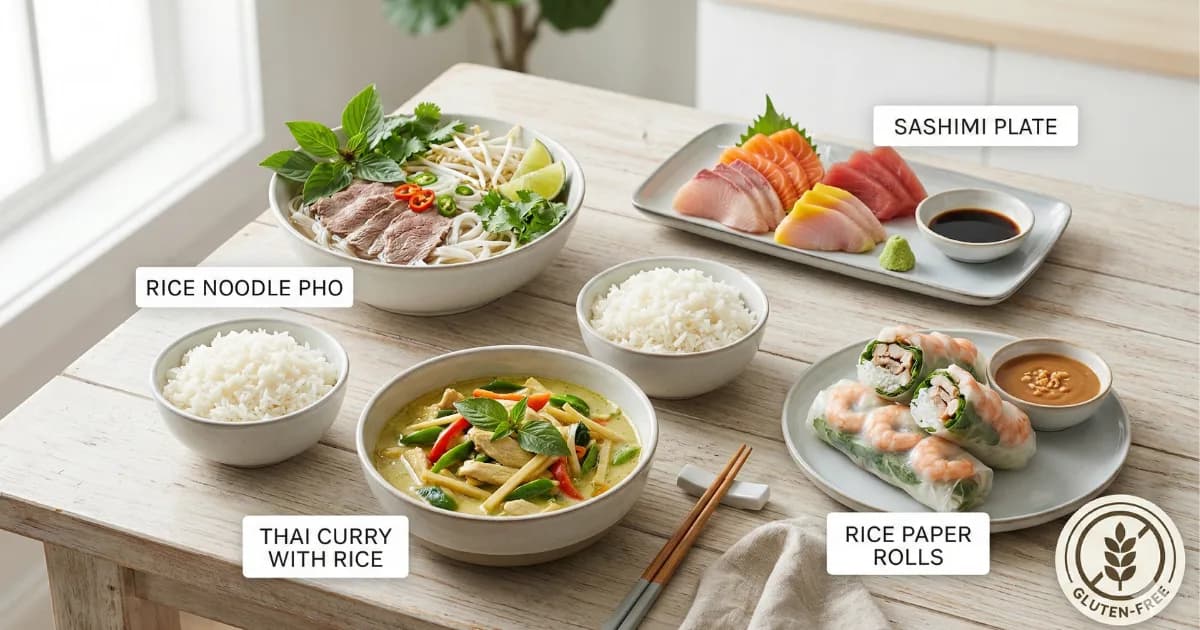
Meta Description: A celiac-safe guide to gluten-free Asian dining in Vancouver. Learn hidden gluten sources in Chinese, Japanese, Korean, Thai, Vietnamese, and Indian cuisines, plus safe dishes and restaurant tips.
Vancouver is one of the best cities in North America for Asian food. It is also one of the most challenging cities to eat gluten-free Asian food safely. The density and diversity of Asian restaurants here is staggering — from Cantonese seafood palaces in Richmond to late-night Korean fried chicken joints on Robson — but nearly every Asian cuisine relies on ingredients that contain hidden wheat. For the roughly 1 in 133 Canadians living with celiac disease, and the far larger population managing non-celiac gluten sensitivity, navigating this landscape requires more than just asking for a gluten-free menu[1].
The core problem is soy sauce. Standard soy sauce — the foundation of Chinese, Japanese, and Korean cooking — is brewed with wheat. It shows up everywhere: marinades, stir-fry sauces, dipping bowls, soup bases, glazes, and dressings. It is so ubiquitous in Asian kitchens that many cooks do not think of it as a gluten-containing ingredient. When you tell a server you need gluten-free food and they confirm the dish has no flour, the soy sauce in the wok might never cross their mind.
This guide breaks down gluten risks and safe options cuisine by cuisine, provides practical communication strategies for Vancouver's multilingual restaurant scene, and addresses the cross-contamination realities that celiac diners must account for even when every ingredient in a dish is technically wheat-free.
Summary: Asian cuisines present unique gluten challenges because wheat hides in staple condiments like soy sauce, oyster sauce, and hoisin — not just in obvious sources like noodles and dumplings. This guide maps the gluten risk landscape across six major Asian cuisines available in Vancouver, identifies naturally safe dishes, explains cross-contamination risks, and offers communication strategies for dining safely with celiac disease or gluten sensitivity.
The Hidden Gluten Problem in Asian Cooking
Western gluten-free dining has matured significantly. Most Canadian restaurants understand wheat, barley, and rye as the primary offenders, and many now stock gluten-free pasta, bread, and flour blends. But Asian cooking presents a fundamentally different challenge because gluten hides in the condiment layer rather than the structural layer of a dish.
Here are the most common hidden gluten sources across Asian cuisines:
- Soy sauce (shoyu, jiangyou, ganjang): Brewed from wheat and soybeans. Present in virtually every stir-fry, marinade, and dipping sauce. Health Canada classifies soy sauce as a wheat-containing product[2].
- Oyster sauce: Most commercial brands contain wheat flour or hydrolyzed wheat protein as a thickener.
- Hoisin sauce: Made with wheat flour as a primary ingredient.
- Teriyaki sauce: Soy sauce-based, therefore wheat-containing.
- Miso paste: Some varieties (particularly mugi miso) are made with barley. Shiro (white) miso made only with rice and soybeans is generally safe, but cross-contamination during production is common.
- Rice vinegar (seasoned): Unseasoned rice vinegar is safe, but seasoned varieties used in sushi rice sometimes contain malt or other gluten sources.
- Tempura batter: Wheat flour.
- Wonton and dumpling wrappers: Wheat flour.
- Wheat noodles: Ramen, udon, lo mein, chow mein, and egg noodles are all wheat-based.
- Seitan: Pure wheat gluten, sometimes used as a meat substitute in Buddhist vegetarian dishes.
- Curry roux (Japanese-style): Commercial Japanese curry blocks contain wheat flour as a thickener.
The cumulative effect is that a dish can appear entirely safe — grilled chicken on rice, for instance — while containing gluten from the marinade, the glaze, and the sauce, none of which are visible to the diner.
Japanese Cuisine: Navigating Soy Sauce Country
Japanese food is both one of the safest and most dangerous Asian cuisines for celiac diners, depending entirely on what you order. The cuisine offers some of the purest naturally gluten-free options available anywhere — sashimi is just raw fish — but it also relies heavily on soy sauce and wheat-based preparations that are deeply embedded in the culinary tradition.
Safe choices:
- Sashimi is the gold standard. Raw fish sliced and served without sauce is inherently gluten-free. Request tamari (wheat-free soy sauce) for dipping, or bring your own. Many higher-end Vancouver sushi restaurants now stock tamari on request.
- Nigiri sushi can be safe, but you need to verify the sushi rice preparation. Traditional seasoned sushi rice uses rice vinegar, sugar, and salt — all gluten-free. However, some restaurants use pre-mixed seasoning that may contain malt vinegar or other gluten-containing additives. Ask specifically about the rice vinegar.
- Edamame is naturally gluten-free as long as it is steamed and salted without soy sauce.
- Yakitori (plain salt-seasoned) is safe when grilled with just salt. The tare (sauce) version uses soy sauce and is not safe.
Avoid:
- Tempura — wheat flour batter, no exceptions.
- Ramen — wheat noodles in a broth that almost always contains soy sauce. Even if a restaurant offers rice noodles as a substitute, the broth itself typically contains wheat-based soy sauce.
- Udon — thick wheat noodles.
- Gyoza — wheat wrappers.
- Teriyaki anything — the sauce is soy-based.
- Tonkatsu — breaded and deep-fried in wheat flour and panko.
- Japanese curry — commercial curry roux blocks contain wheat flour as a primary thickening agent.
The tamari distinction matters. Tamari is traditionally a wheat-free soy sauce made only from soybeans. However, not all tamari sold in Canada is wheat-free — some brands add small amounts of wheat. Look for tamari explicitly labelled gluten-free. In Vancouver, San-J and Kikkoman both produce certified gluten-free tamari available at most grocery stores and increasingly at restaurants that cater to dietary restrictions[3].
Chinese Cuisine: The Biggest Challenge
Chinese cooking presents the highest overall gluten risk among Asian cuisines for one simple reason: soy sauce and oyster sauce are used in nearly every savory dish, and the cuisine features an enormous number of wheat-based preparations including noodles, dumplings, buns, and wrappers.
Safe choices:
- Steamed rice with a simple protein — steamed fish, salt-and-pepper shrimp (if not battered), or roasted meats where you can confirm the marinade. Cantonese-style roasted duck and BBQ pork (char siu) are usually marinated with soy sauce, so verify.
- Congee (jook) — rice porridge is inherently gluten-free. The toppings are the variable: preserved egg and lean pork congee is typically safe; anything described as "crispy" likely involves wheat.
- Steamed vegetables with garlic — safe if the restaurant uses oil and garlic only, no pre-mixed sauce.
- Hot pot — the self-serve format lets you control ingredients, but verify the broth base. Many use soy sauce. Request a clear bone broth or tomato base and bring your own tamari for dipping.
- Rice noodle dishes — chow fun (flat rice noodles) and rice vermicelli are made from rice flour, but the stir-fry sauce will almost certainly contain soy sauce unless specifically modified.
Avoid:
- Dim sum — the vast majority of dim sum items use wheat wrappers. Har gow (shrimp dumplings) uses a tapioca and wheat starch wrapper that varies by restaurant — some are wheat-free, some are not. Siu mai, char siu bao, spring rolls, egg rolls, taro puffs, and turnip cakes (often pan-fried with a wheat-flour batter) are all unsafe. Steamed rice noodle rolls (cheung fun) are typically rice-flour based and potentially safe, but the sauce drizzled on top is soy-based.
- Stir-fries — virtually all use soy sauce unless specifically requested otherwise. Even then, the wok seasoning from previous dishes creates cross-contamination risk.
- Fried items — anything battered (sweet and sour pork, lemon chicken, crispy beef) uses wheat flour.
- Lo mein, chow mein, and egg noodles — all wheat-based.
A note on Cantonese vs. Szechuan restaurants in Vancouver: Cantonese restaurants tend to offer more naturally rice-based dishes (congee, rice plates, steamed fish) that can be modified for gluten-free preparation. Szechuan restaurants rely more heavily on complex sauces that combine soy sauce, bean paste (which may contain wheat), and thickeners. If you are choosing between the two, a Cantonese kitchen will generally be easier to navigate.
Korean Cuisine: Promising but Complicated
Korean food is deceptive for celiac diners. The cuisine features many dishes that look safe — bibimbap is a rice bowl, after all — but the condiment and sauce layer introduces hidden gluten at almost every turn.
Safe choices:
- Japchae (glass noodles) — made from sweet potato starch, these noodles are naturally gluten-free. However, the sauce used to dress japchae is soy sauce-based. Ask if the restaurant can prepare it with tamari or simply leave the sauce on the side.
- Bibimbap — rice, vegetables, egg, and protein in a bowl. The rice and vegetables are safe. The protein (usually bulgogi beef) is typically marinated in soy sauce. The key variable is gochujang (red pepper paste): traditional gochujang is made with glutinous rice (which, despite the name, is gluten-free), but many commercial brands now add wheat flour or barley malt[4]. Ask about the brand used.
- Grilled unmarinated meats — some Korean BBQ restaurants offer salt-only options for premium cuts like galbi or samgyeopsal (pork belly). The meat itself is safe; the dipping sauces are the risk.
- Banchan (side dishes) — kimchi is traditionally gluten-free (napa cabbage, salt, chili, garlic, fish sauce). Other banchan like pickled radish and seasoned spinach may contain soy sauce.
Avoid:
- Korean fried chicken — double-battered in wheat flour and potato starch, then glazed in soy-based sauces.
- Tteokbokki — the rice cakes themselves are gluten-free, but the gochujang sauce often contains wheat.
- Jjajangmyeon — black bean noodles; both the noodles and the sauce contain wheat.
- Mandu (dumplings) — wheat wrappers.
- Ramyeon — Korean instant noodles, wheat-based.
Thai Cuisine: Generally the Safest Bet
Thai cooking is the most naturally celiac-friendly of the major Asian cuisines available in Vancouver. The reason is structural: Thai cuisine relies on fish sauce, lime, chili, lemongrass, galangal, and coconut milk as its primary flavour foundations rather than soy sauce. Wheat is not a staple grain in Thai cooking, and rice is the dominant starch in both noodle and plate form.
Safe choices:
- Curries (green, red, yellow, massaman, panang) — coconut milk-based with curry paste, protein, and vegetables. Most Thai curry pastes are naturally gluten-free, made from chilies, lemongrass, galangal, garlic, and shrimp paste. Thickened with coconut cream rather than flour. These are among the safest dishes to order across any Asian cuisine.
- Tom yum and tom kha soups — lemongrass, galangal, lime, fish sauce, chili. No wheat components in traditional preparation.
- Papaya salad (som tum) — green papaya, lime, fish sauce, chili, peanuts. Naturally gluten-free.
- Pad thai — rice noodles with tamarind sauce. The noodles are safe; the sauce is traditionally fish sauce-based without soy. However, many Vancouver Thai restaurants add soy sauce to their pad thai for colour and umami. Always ask.
- Rice dishes (khao pad, khao man gai) — fried rice and chicken rice are typically safe if prepared without soy sauce. Confirm with the kitchen.
- Fresh spring rolls (por pia sod) — rice paper wrappers filled with vegetables and shrimp. Gluten-free. The dipping sauce (usually sweet chili or peanut) is typically safe, but verify.
Avoid:
- Fried spring rolls (por pia tod) — wheat-based wrappers, deep fried.
- Pad see ew — uses wide rice noodles (safe) but relies heavily on soy sauce in the stir-fry.
- Any dish with "crispy" in the name — likely battered with wheat flour.
The fish sauce advantage: Fish sauce (nam pla) is made from fermented fish and salt. It is naturally gluten-free and serves as the salty umami backbone of Thai cooking — performing the same role that soy sauce plays in Chinese, Japanese, and Korean kitchens, but without any wheat. This is why Thai restaurants are fundamentally easier for celiac diners to navigate[5].
Vietnamese Cuisine: Rice-Based with a Few Traps
Vietnamese cooking shares the fish sauce advantage with Thai cuisine and adds an extensive rice noodle and rice paper tradition that makes many dishes naturally safe. The main risks come from soy sauce additions (less traditional but common in Westernized restaurants), bread (banh mi), and certain sauces.
Safe choices:
- Pho — rice noodles in a bone broth flavoured with star anise, cinnamon, ginger, and fish sauce. Traditional pho broth does not contain soy sauce, but some restaurants add it for colour and depth. Ask whether the broth includes soy sauce or is purely bone-based. If confirmed soy-free, pho is one of the best gluten-free meals available.
- Bun (rice vermicelli bowls) — rice noodles topped with grilled meats, vegetables, herbs, and nuoc cham (fish sauce, lime, sugar, chili dipping sauce). The nuoc cham is naturally gluten-free.
- Goi cuon (fresh rice paper rolls) — rice paper wrappers filled with shrimp, herbs, vermicelli, and vegetables. One of the safest items on any Asian menu. The peanut dipping sauce is usually hoisin-based (contains wheat) — request fish sauce or nuoc cham instead.
- Com tam (broken rice plates) — grilled meats on broken rice with pickled vegetables and fish sauce. Verify that the grilled meat marinade does not include soy sauce.
- Canh (clear soups) — Vietnamese clear soups with vegetables and protein in a light broth are typically safe.
Avoid:
- Banh mi — the entire concept is a wheat baguette. No workaround.
- Cha gio (fried spring rolls) — wheat-based wrappers.
- Any dish with hoisin sauce — contains wheat flour. This includes the dipping sauce served with pho and many rice paper roll accompaniments.
- Banh xeo — Vietnamese crepes are traditionally made with rice flour and turmeric (safe), but some restaurants add wheat flour to the batter for structure. Confirm.
Indian Cuisine: Wheat-Heavy Breads, Safe Curries
Indian cuisine presents a split personality for celiac diners. The bread tradition is heavily wheat-dependent — naan, roti, chapati, paratha, and puri are all wheat flour preparations. But the curry, rice, and lentil traditions are naturally gluten-free, making Indian restaurants surprisingly navigable once you know what to avoid.
Safe choices:
- Rice-based dishes — biryani, pulao, plain steamed basmati. All naturally gluten-free. Biryani is a complete meal with protein and spices layered into the rice.
- Dosa — South Indian crepes made from fermented rice and lentil batter. Naturally gluten-free and widely available at Vancouver's South Indian restaurants.
- Curries — most Indian curries are thickened with onion paste, ground nuts, yogurt, or coconut rather than flour. Dal (lentil soup), butter chicken, lamb rogan josh, chana masala, and palak paneer are typically safe. However, some restaurants use wheat flour to thicken gravies, so confirm.
- Tandoori meats — chicken tikka, lamb kebabs, and fish tikka are marinated in yogurt and spices, then grilled. Naturally gluten-free if no flour coating is used.
- Papadums — made from lentil flour. Gluten-free and a good substitute for naan as a scooping vehicle.
- Raita — yogurt-based condiment. Safe.
Avoid:
- All wheat breads — naan, roti, chapati, paratha, puri, bhatura.
- Pakoras and bhajis — battered in chickpea flour (besan). While chickpea flour is gluten-free, some restaurants mix in wheat flour for texture. Verify.
- Samosas — wheat pastry shell.
- Anything described as "korma" at some restaurants — traditional korma uses nut paste to thicken, but some commercial preparations use flour.
Cross-Contamination: The Invisible Risk
Even when every ingredient in your dish is technically gluten-free, cross-contamination can make it unsafe for celiac diners. This is the reality that separates celiac disease from gluten preference — for someone with celiac, even trace amounts measured in parts per million can trigger an immune response and intestinal damage.
Shared fryers: If a restaurant fries tempura, spring rolls, or battered items in the same oil as your rice-flour item, the oil now contains gluten. This is nearly universal in Asian restaurants. Fried items are rarely safe for celiac diners unless the restaurant has a dedicated fryer.
Wok contamination: Stir-frying is done at extremely high heat in woks that are rarely washed between dishes in a busy service. A wok that just cooked soy sauce-laden chow mein will have residual gluten on its surface for the next dish. Some restaurants have multiple woks but use them interchangeably.
Sauce stations: Soy sauce bottles, oyster sauce containers, and hoisin jars sit side by side in most Asian kitchens. Spoons and ladles cross between containers. Even a "clean" preparation can pick up traces.
Prep surfaces and cutting boards: Noodle cutting, dumpling wrapping, and bread preparation all leave flour residue on surfaces. Ingredients for your rice bowl may be prepped on the same board.
What you can do:
- Eat earlier in service. The first hour of dinner service means cleaner equipment, less fryer contamination, and staff with more time to accommodate special requests.
- Ask about dedicated equipment. Some restaurants have separate fryers or woks for allergen-free cooking. This is more common in larger establishments.
- Choose restaurants with allergy awareness programs. Restaurants that explicitly list allergens on their menu or have a written allergy policy are more likely to have contamination protocols in place.
- Avoid buffets and shared-plate formats entirely. Serving utensils migrate between dishes. Crumbs from fried items land in rice trays.
Communicating Your Needs in Vancouver's Multilingual Restaurants
Vancouver's restaurant scene is richly multilingual, which creates both challenges and opportunities for celiac diners. Many Asian restaurant staff speak Mandarin, Cantonese, Japanese, Korean, Vietnamese, Thai, or Punjabi as their first language. Explaining celiac disease in English may not translate effectively, especially because the concept of gluten as a medical concern is relatively new in many Asian food cultures.
Practical strategies:
- Carry a translated allergy card. The Canadian Celiac Association offers downloadable allergy cards in multiple languages that explain celiac disease, list unsafe ingredients, and request safe preparation[1]. Print cards in the relevant language for the cuisine you plan to eat — Mandarin and Cantonese for Chinese restaurants, Japanese for sushi bars, and so on.
- Name specific ingredients rather than concepts. Instead of saying "gluten-free," say "no soy sauce, no oyster sauce, no flour, no wheat noodles." Ingredient-level specificity is understood across languages better than dietary framework terminology.
- Call ahead during off-peak hours. A brief phone call at 3pm — between lunch and dinner service — gives you time to explain your needs to a manager or head chef without the pressure of a busy kitchen.
- Ask to see sauce bottles. This might feel awkward, but checking the label on the soy sauce or oyster sauce a restaurant uses takes ten seconds and can confirm or rule out gluten immediately.
- Thank the kitchen visibly. When a restaurant accommodates your needs well, tip generously and leave a review mentioning their gluten-free awareness. This creates an economic incentive for restaurants to invest in allergen training.
Vancouver Restaurants with Gluten-Free Awareness
While no restaurant can guarantee zero cross-contamination — and any restaurant that claims to should raise scepticism — several Vancouver establishments have built reputations for accommodating celiac diners in their Asian menus:
- Thai restaurants along Main Street and Commercial Drive tend to have the highest baseline safety because of the cuisine's natural avoidance of wheat.
- Higher-end Japanese restaurants in the Fairview and West End neighbourhoods increasingly stock tamari and can modify sashimi and nigiri orders on request.
- South Indian restaurants in the Surrey-Delta corridor offer naturally gluten-free dosa menus alongside rice-based thali platters.
- Vietnamese pho restaurants that advertise bone broth purity (no MSG, no additives) are often the same ones that avoid soy sauce in their broth — making them strong candidates for safe pho.
- Hot pot restaurants in Richmond give you full ingredient control, making them one of the safest formats for celiac diners who verify the broth base.
When in doubt, use the Canadian Celiac Association's restaurant guide and local celiac community forums to identify vetted establishments before visiting.
Frequently Asked Questions
Is soy sauce always unsafe for people with celiac disease?
Standard soy sauce is brewed with wheat and is unsafe for celiac diners. However, tamari — a Japanese-style soy sauce traditionally made only from soybeans — is available in gluten-free certified versions. Look specifically for tamari labelled "gluten-free" on the bottle, as some tamari brands still include small amounts of wheat. In Vancouver, most major grocery stores carry certified gluten-free tamari from brands like San-J and Kikkoman. Some restaurants stock it on request, but you may want to carry a small bottle for dining out.
Can I eat pho in Vancouver if I have celiac disease?
Pho can be safe, but it requires verification. The rice noodles in pho are gluten-free. The traditional broth is made from beef or chicken bones, star anise, cinnamon, ginger, and fish sauce — all gluten-free ingredients. The risk comes from restaurants that add soy sauce to the broth for colour and depth, which is a common shortcut. Ask your server directly whether the broth contains soy sauce. Restaurants that advertise traditional bone broth preparation are more likely to have a soy-free base.
What is the safest Asian cuisine for celiac diners?
Thai cuisine is generally the safest because its foundational flavour profile relies on fish sauce, lime, lemongrass, and coconut milk rather than soy sauce. Wheat is not a staple grain in Thai cooking, and most Thai curry pastes are naturally gluten-free. Vietnamese cuisine is a close second, with its extensive use of rice noodles, rice paper, and fish sauce-based dressings. Indian cuisine is safe at the curry-and-rice level but challenging because of its heavy reliance on wheat breads.
How do I explain celiac disease at a Chinese restaurant where staff speak limited English?
Carry a translated allergy card in Mandarin or Cantonese. The Canadian Celiac Association provides free downloadable cards in multiple languages. Beyond the card, focus on naming specific ingredients rather than medical concepts. Instead of explaining celiac disease, say "no soy sauce, no oyster sauce, no flour, no wheat noodles" and mime crossing them out. Calling ahead during off-peak hours (between 2pm and 5pm) also gives staff more time to understand your request without the pressure of active service.
Is Korean bibimbap safe for someone who is gluten-free?
Bibimbap can be safe but requires checking two key components. First, the gochujang (red pepper paste) — traditional recipes use glutinous rice (which is actually gluten-free despite the name), but many commercial gochujang brands now contain wheat flour or barley malt. Ask which brand the restaurant uses or whether the gochujang is house-made. Second, the protein: bulgogi beef is typically marinated in soy sauce, which contains wheat. If the restaurant can substitute tamari in the marinade and confirm wheat-free gochujang, bibimbap becomes a solid gluten-free option with rice, vegetables, egg, and sesame oil.
References
[1]: Canadian Celiac Association. "Celiac Disease and Gluten-Free Diet Information." Canadian Celiac Association, 2025. https://www.celiac.ca/ — Prevalence data (1 in 133 Canadians) and multilingual allergy card resources.
[2]: Health Canada. "List of Allergens and Gluten Sources." Food and Drug Regulations, 2024. https://www.canada.ca/en/health-canada/services/food-nutrition/food-safety/food-allergies-intolerances/food-allergens.html — Regulatory classification of wheat-containing soy sauce as a priority allergen.
[3]: San-J International. "Tamari Gluten Free Soy Sauce." San-J, 2025. https://san-j.com/product/organic-tamari-gluten-free-soy-sauce/ — Certified gluten-free tamari product specifications and availability in Canadian markets.
[4]: Korean Food Research Institute. "Analysis of Commercial Gochujang Products for Gluten Content." Journal of the Korean Society of Food Science and Nutrition, vol. 48, no. 3, 2019. — Study documenting wheat flour and barley malt in commercial gochujang formulations.
[5]: Jittinandana, S. et al. "Gluten-Free Status of Traditional Thai Condiments and Sauces." International Journal of Food Science & Technology, vol. 52, no. 8, 2017. — Research confirming the naturally gluten-free composition of fish sauce, Thai curry pastes, and related condiments.
[6]: Canadian Food Inspection Agency. "Gluten-Free Claims." CFIA, 2024. https://inspection.canada.ca/food-labels/labelling/industry/allergens-and-gluten/eng/1388152325341/1388152326591 — Canadian regulatory standard for gluten-free claims (less than 20 ppm).
Discover more Vancouver food guides at Our Food Fix.
Related Articles
Vegetarian and Vegan Asian Food in Vancouver: 30+ Options
Vancouver offers one of North America's deepest selections of plant-based Asian restaurants, spannin
Vancouver Ramen Guide: From Tonkotsu to Tantanmen
Explore Vancouver's best ramen shops and styles, from creamy tonkotsu to fiery tantanmen. Covers 5 b
Surrey and South Vancouver Asian Food Guide: Beyond the City Centre
Surrey and South Vancouver hold some of Metro Vancouver's most authentic and affordable Asian dining
Got a food question?
Explore our guides and discover the best of Vancouver's food scene.
Browse Guides