Best Sushi in Vancouver: From Omakase to Conveyor Belt
Discover the best sushi in Vancouver, from high-end omakase experiences to fun conveyor belt spots. Our guide covers top restaurants, what to order, and essential etiquette tips for every budget.
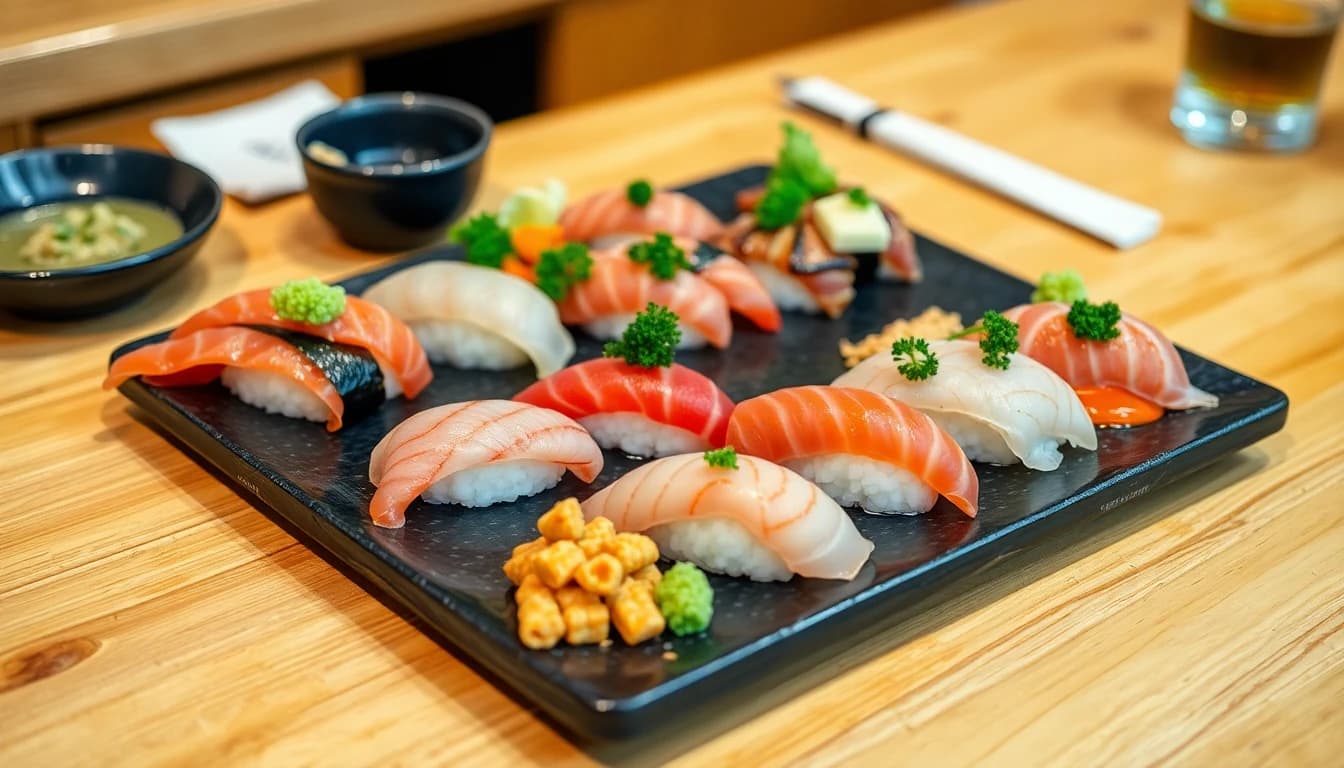
Introduction Vancouver has over 600 restaurants serving Japanese cuisine, a density that rivals many cities in Japan itself[1]. This isn't just about quantity. The city's location on the Pacific Rim gives it direct access to some of the world's best seafood, while a deep cultural connection and high standards have fostered a sushi scene that is both authentic and new. For residents and visitors, navigating this landscape can be overwhelming. The difference between a transcendent meal and a disappointing one often comes down to knowing where to go, and for what. Sushi in Vancouver exists on a spectrum. At one end, you have the solemn, chef-driven omakase counters where the price of admission buys you an education in seasonality and technique. In the middle, a thriving sector of reliable, creative mid-range spots perfect for a date night or a business lunch. At the other end, the democratic, bustling world of conveyor belt sushi and value-focused joints where the goal is fresh, satisfying fish without the ceremony. Understanding this tiered system is the key to unlocking the best experience for your mood and budget. This guide cuts through the noise. We will explore each tier in detail, providing specific recommendations, what to order, and the unspoken rules that will make you feel like a local. Whether you're planning a once-in-a-lifetime splurge, a reliable weeknight takeout order, or a fun family meal where the plates circle past on a train, Vancouver has a sushi seat for you.
Quick Answer: Where to Find the Best Sushi in Vancouver For the definitive best sushi experience in Vancouver, book an omakase at Sushi Bar Maumi or Masayoshi; for exceptional mid-range dining, visit Tojo's or Miku; and for reliable, fun conveyor belt sushi, head to Sushi Garden or the Kura Revolving Sushi Bar chain. If your priority is the pinnacle of craftsmanship and are willing to spend over $150 per person, Vancouver's omakase temples are your destination. Sushi Bar Maumi (1226 Bute St) offers an intimate, strictly traditional Edomae-style experience with just eight seats. Masayoshi (4376 Fraser St) provides a slightly more accessible but no less masterful omakase, with a focus on creative presentations. Reservations for these spots are essential and often booked weeks in advance. For most people, the sweet spot is Vancouver's excellent mid-range scene, where $30 to $60 gets you outstanding quality and creativity. The legendary Tojo's (1133 W Broadway) invented the BC Roll and remains an institution. For modern aburi (flame-seared) sushi, Miku (200 Granville St) and its sister restaurant Minami (1118 Mainland St) in Yaletown are must-visits. These restaurants are ideal for special occasions where you want impressive food without the omakase price tag or formality. When you need a quick, affordable, and entertaining fix, Vancouver's conveyor belt and value sushi spots deliver. Sushi Garden (4635 Kingsway, Burnaby) is a legendary, always-busy spot known for massive portions and fresh fish. For a high-tech twist, Kura Revolving Sushi Bar (multiple locations) uses a bullet train delivery system and offers plates for as little as $3.25. These are perfect for casual lunches, dinners with kids, or when you're craving sushi without the wait for a table at a sit-down restaurant.
The Omakase Experience: Vancouver's Pinnacle of Sushi When you search for "omakase Vancouver," you are looking for more than a meal. You are seeking a culinary performance where the chef is the director and you are the guest of honor. Omakase translates to "I leave it up to you," signaling complete trust in the chef's selection. In Vancouver, this tradition is upheld by a small group of dedicated itamae (sushi chefs) who often source fish directly from Japan's Toyosu Market, supplementing with pristine local ingredients like spot prawns and sablefish. The experience is defined by its constraints and its cost. Meals are typically 15-20 courses, lasting 1.5 to 2 hours, and priced from $120 to over $250 per person before drinks and tip. Seating is almost always at a wooden counter, with only 6 to 10 spots per service. This intimacy allows the chef to tailor the pace and, to some degree, the menu to the diners. Conversation is often quiet and focused on the food. It is the antithesis of a loud, shared-plates izakaya; this is sushi as a meditative art form.
Sushi Bar Maumi: The Purist's Choice Sushi Bar Maumi, on Bute Street in the West End, is the closest you will get to a Tokyo sushiya without a plane ticket. Chef Mitsuhiro Kikuchi operates with monastic precision. The rules are part of the experience: no strong perfumes, a strict 7:30 PM seating, no substitutions, and cash only. The $165 omakase is a parade of classic Edomae sushi, where fish is often cured or marinated using traditional methods to enhance flavor and preservation. You might receive kohada (gizzard shad) cured in vinegar, or sayori (halfbeak) presented with its delicate bone structure intact. This is not a place for California rolls. It is a rigorous, unforgettable education in sushi's roots.
Masayoshi: Accessible Artistry Located on Fraser Street, Masayoshi (4376 Fraser St) offers a slightly more approachable gateway to high-end omakase. Chef Masayoshi Baba's $120 and $150 tasting menus incorporate both sushi and beautifully crafted small dishes (otsumami), providing a more varied culinary journey. His style respects tradition but allows for subtle personal flourishes. You might find local geoduck served with a citrusy ponzu, or a piece of otoro (fatty tuna) that has been lightly smoked. The atmosphere, while still reverent, feels slightly warmer and more conversational than Maumi's. Reservations are still important, but the experience feels less intimidating for omakase newcomers.
What to Expect and How to Behave Booking an omakase requires planning. Use reservation platforms like Tock or the restaurant's website exactly when slots open, often 30 days in advance. Dress smart-casual. Once seated, let the chef guide you. It is customary to eat nigiri with your hands, turning it slightly to dip only the fish (not the rice) into the soy sauce. The ginger (gari) is a palate cleanser between pieces, not a topping. Asking thoughtful questions is welcomed, but demanding changes to the menu is not. The experience is a significant investment, but for the sushi devotee, it is worth every penny. For other high-end culinary adventures, consider our guide to Vancouver's best late-night food for a different kind of indulgence.
Summary: Vancouver's top omakase, led by Sushi Bar Maumi and Masayoshi, offers a rigorous, chef-driven experience costing $120-$250+ per person. These 8-20 seat counters require reservations months in advance and demand diner etiquette, including eating nigiri with hands and avoiding perfume. The future will see more chefs blending hyper-local BC seafood with Japanese technique within this traditional format.
Mid-Range Mastery: Vancouver's Best Everyday Sushi Restaurants This is the heart of Vancouver's sushi scene: restaurants where the quality is consistently high, the menus are extensive, and a satisfying meal lands in the $30 to $60 per person range. These spots master the balance between authenticity and innovation, often creating iconic dishes that define Vancouver-style sushi. They are perfect for business lunches, date nights, or when you want a step above neighborhood takeout. The focus here is on premium ingredients, skilled preparation, and often, a signature style that sets them apart. The aburi (flame-seared) technique, pioneered locally, is a hallmark of this tier. Briefly torching the fish or topping with a blowtorch unlocks rich, smoky flavors and changes the texture of the fat. It's a modern twist that has become a Vancouver signature. Beyond that, you'll find expertly crafted classic nigiri, creative rolls, and strong selections of sashimi and cooked dishes. These restaurants also tend to have full liquor licenses, offering curated sake lists and Japanese whisky.
Tojo's: The Legendary Inventor Hidekazu Tojo is a Vancouver icon. At his namesake restaurant on West Broadway (1133 W Broadway), he famously created the BC Roll (barbequed salmon skin, cucumber) and the California Roll (originally made with crab and avocado for customers wary of raw fish). Dining at Tojo's is a lesson in local sushi history. While you can order à la carte, the omakase here (starting around $85) is a more accessible, curated journey through the chef's classics and market finds. The atmosphere is serene and professional, a testament to its decades-long reputation. For a similar deep-dive into another cuisine's comfort food, explore our list of best Chinese comfort food for Vancouver's rainy season.
Miku and Minami: Kings of Aburi For the definitive aburi experience, Miku (200 Granville St) and Minami (1118 Mainland St) are unmatched. Their signature "Aburi Oshi Sushi" pressed sushi, topped with a proprietary sauce and lightly seared, is a must-order. The Salmon Oshi, with jalapeño, is a revelation. These are sleek, high-energy restaurants with stunning waterfront (Miku) or Yaletown (Minami) settings. The menus extend beyond sushi to include robata grill items and refined appetizers. While priced at the top of the mid-range, the consistent quality and vibrant atmosphere justify the cost for a special night out. They are also excellent choices for a high-end business lunch.
Reliable Neighborhood Favorites Beyond the famous names, Vancouver is dotted with exceptional neighborhood spots. Tatsu's Vancouver Japanese Restaurant (1810 Bayview Ave) in Kitsilano is a tiny, family-run gem known for its delicate touch and fresh fish. Kishimoto Japanese Restaurant (2054 Commercial Dr) on Commercial Drive offers vibrant, artistic plates and a daily chalkboard of specials in a cozy, bustling space. Shiro Japanese Restaurant (3096 Cambie St) is a Cambie Village staple praised for its pristine sashimi and reasonable prices. These places may not have the fame of Tojo's, but they represent the dependable, high-quality backbone of the city's sushi culture. | Restaurant | Neighborhood | Price Range (Per Person) | Signature Style | Best For |
| :---
| :---
| :---
| :---
| :--- | | Tojo's | Fairview | $60 - $100+ | Inventive Classics, Accessible Omakase | A historic, special-occasion meal | | Miku | Waterfront | $70 - $90 | Modern Aburi (Flame-Seared) Pressed Sushi | Impressive dining with views, business meals | | Kishimoto | Commercial Drive | $40 - $60 | Artistic, Vibrant Plating & Daily Specials | A creative, lively dinner with friends | | Tatsu's | Kitsilano | $35 - $55 | Traditional, Delicate, Family-run | An intimate, authentic neighborhood experience |
Summary: Vancouver's mid-range sushi ($30-$60 per person) thrives on skilled craftsmanship and signature styles like aburi. Landmark restaurants like Tojo's and Miku anchor this tier, but neighborhood gems like Tatsu's and Kishimoto offer equally compelling quality. The trend is towards even more localized sourcing, with chefs highlighting BC seafood like spot prawns and sablefish alongside imported tuna.
Conveyor Belt & Value Sushi: Affordable and Fun Finds The search for "conveyor belt sushi Vancouver" leads to a world of democratic, entertaining, and budget-friendly dining. This tier is defined by speed, value, and a sense of playful discovery. Plates color-coded by price (typically $3 to $6) travel along a conveyor belt or, in more advanced setups, are delivered by miniature bullet trains directly to your table. It's ideal for solo diners, families with children, or groups who want to sample a wide variety without a large commitment. The focus is on freshness, consistency, and volume. While you won't find the rare akami zuke (marinated lean tuna) of an omakase here, you will find well-prepared salmon, tuna, hamachi, and a vast array of creative rolls, appetizers, and desserts. The model encourages impulse eating, which is part of the fun. Health and safety are paramount in this high-turnover environment, and reputable chains adhere to strict guidelines, like keeping plates on the belt for a limited time[2]. For a similarly quick and satisfying lunch option in the downtown core, check out our ranking of the best Asian lunch spots in downtown Vancouver.
Sushi Garden: The Value Institution No list of value sushi is complete without Sushi Garden in Burnaby (4635 Kingsway). It's a phenomenon. Expect a line out the door, especially on weekends, for a reason: the portions are enormous, the fish is fresh, and the prices are startlingly low for the quality. A large boat of assorted sashimi can feed three people for under $40. While not a conveyor belt restaurant, its inclusion here is mandatory because it sets the standard for the value category. The atmosphere is loud, bright, and efficient. It's the quintessential group sushi destination where the goal is to leave completely satisfied, not necessarily contemplative.
Kura Revolving Sushi Bar: High-Tech Fun Kura (locations in Richmond, Burnaby, and Vancouver) has modernized the kaiten (revolving) experience. You order via touchscreen, and your food zooms to you on a dedicated track. Empty plates are fed into a slot, and after five plates, you're rewarded with a random toy from a gachapon machine. It's engaging, especially for kids. The sushi itself is solid, with a wide selection including classic nigiri, rolls, and Japanese side dishes like fried chicken and udon. At $3.25 to $5.50 per plate, it's easy to manage your budget. The high-tech system also ensures food is made to order and delivered quickly, addressing common concerns about belt sushi freshness.
Navigating All-You-Can-Eat and Grocery Sushi Vancouver also has a niche for all-you-can-eat (AYCE) sushi, though it's less common than in some other cities. Restaurants like Shabusen Yakiniku House (755 Burrard St) offer a hybrid yakiniku and sushi AYCE menu. The key here is to focus on simpler items like sashimi and nigiri, as complex rolls are often filler-heavy. Always check the time limits and waste charges. Grocery store sushi is its own category. For a quick, single-serving fix, the following ranking holds true:
- Fujiya (Clark & Venables): The gold standard. Made fresh daily with excellent fish selection.
- T&T Supermarket: Consistently good, with a huge variety of rolls and packs.
- Izumiya (Richmond): A Japanese grocery with authentic, well-prepared options.
- H-Mart: Reliable in a pinch, especially for Korean-style rolls (gimbap).
- Major Chain Grocers (Save-On-Foods, etc.): Acceptable for convenience, but quality varies widely by location. When you need a break from Japanese fare but still want a convenient, fresh meal, services like The Storm Cafe provide daily-prepared takeout and delivery options across Vancouver, from individual meals to school group boxes.
Summary: Conveyor belt and value sushi, led by Sushi Garden and Kura Revolving Sushi Bar, delivers fresh, fun meals for $15-$30 per person. This model succeeds through high volume and strict food safety rotation[2]. The future points towards more automation and app integration for ordering, while the core appeal of affordable, shareable plates remains unchanged.
Sushi For Every Occasion: Ordering Guides and Local Etiquette Knowing where to go is half the battle, knowing what to order and how to act is the other. Sushi culture, while welcoming in Vancouver, has subtle norms that can enhance your experience. This section breaks down what to eat at each tier and offers practical tips for navigating Vancouver's sushi scene like a pro. From business catering to a simple takeout order, sushi is a versatile choice that fits many of the city's dining needs. At an omakase, you are along for the ride. Your only job is to be open-minded. At a mid-range restaurant, start with a sashimi platter to gauge the quality of the fish. Then, order a mix of nigiri (the chef's choice is often best) and a couple of signature rolls. Don't neglect cooked items like agedashi tofu (fried tofu in broth) or gyoza. At a conveyor belt spot, grab what looks fresh and appealing, but don't be shy to use the touchscreen or call a server for made-to-order items, which are often the best quality.
Essential Sushi Etiquette in Vancouver While Vancouver is generally relaxed, a few tips show respect for the craft. At any sit-down restaurant, it's polite to say "itadakimasu" (I gratefully receive) before eating. Use chopsticks for sashimi and rolls, but it's perfectly correct to eat nigiri with your fingers. Dip the fish side, not the rice, into soy sauce to prevent the rice from crumbling. Do not mix wasabi into your soy sauce dish; the chef has already applied the appropriate amount between the fish and rice. If you need extra, place it directly on the fish. Finally, the pickled ginger is a palate cleanser, not a topping for your sushi.
Sushi for Groups, Catering, and Takeout Sushi is a fantastic shared meal. For large office gatherings or corporate catering, platters of assorted nigiri, sashimi, and rolls are a crowd-pleaser. Specialty corporate meal services like My Great Pumpkin can handle large-scale sushi orders for office subscriptions, ensuring fresh, professional presentation. For a more casual potluck, picking up a variety of trays from a trusted spot like Fujiya or a local restaurant is a surefire hit. Get inspired with our guide on how to host a potluck with Vancouver's best takeout. For takeout, focus on items that travel well: rolls, nigiri (eat quickly), and cooked dishes. Avoid delicate, loose items like chirashi bowls or donburi for long journeys. Many top mid-range restaurants, including Miku and Minami, offer excellent takeout and delivery via their own websites or platforms. The key is to eat it as soon as possible to preserve texture and temperature.
Pairing Drinks with Sushi Green tea is the classic, non-alcoholic pairing. For alcohol, sake is the natural companion. Ask for a recommendation based on your menu: a crisp, dry junmai daiginjo pairs well with delicate white fish, while a richer junmai or ginjo can stand up to fatty tuna or seared items. Dry lager beer (like Asahi Super Dry) is also a refreshing choice. At high-end omakase, the chef or sommelier will often suggest pairings, which is highly recommended to complete the experience.
Summary: Mastering Vancouver sushi involves tier-specific ordering: trust the chef in omakase, sample sashimi first in mid-range spots, and prioritize made-to-order items at conveyor belts. Key etiquette includes eating nigiri with hands, dipping fish-side in soy, and using ginger as a palate cleanser. Sushi's shareable nature makes it ideal for corporate catering, potlucks, and group meals across the city.
Frequently Asked Questions
What is the best affordable sushi in Vancouver?
For the best combination of low price, large portions, and fresh quality, Sushi Garden in Burnaby is the legendary choice. For a fun, tech-driven conveyor belt experience with plates as low as $3.25, Kura Revolving Sushi Bar has multiple locations. For grab-and-go grocery sushi, Fujiya on Clark Drive is consistently excellent.
How much does omakase cost in Vancouver and is it worth it?
Vancouver omakase typically ranges from $120 to over $250 per person, before drinks, tax, and tip. At the high end, you are paying for rare, imported ingredients, the chef's expertise, and an intimate, educational dining experience. For sushi enthusiasts, it is absolutely worth it as a special occasion splurge. For newcomers, a mid-range omakase option at a place like Tojo's (from $85) can be a great introduction.
Where can I find authentic conveyor belt (kaiten) sushi in Vancouver?
The most authentic and widespread conveyor belt sushi chain in Metro Vancouver is Kura Revolving Sushi Bar, with locations in Richmond, Burnaby, and Vancouver. They use a high-tech ordering system and bullet train delivery. Other local options exist, but Kura best replicates the modern Japanese kaiten-zushi experience with its pricing model and efficiency.
What's the difference between aburi sushi and regular sushi?
Aburi sushi is lightly seared with a blowtorch, caramelizing the surface of the fish (often a fatty cut like salmon or tuna) or a special sauce. This technique, pioneered in Vancouver by restaurants like Miku, creates a rich, smoky flavor and a contrast between the warm, soft top and cool, firm base. "Regular" sushi, or nama sushi, is served completely raw.
Do I need to make reservations for good sushi in Vancouver?
For high-end omakase (Maumi, Masayoshi), reservations are essential and often need to be made weeks or months in advance. For popular mid-range restaurants like Miku, Minami, or Tojo's, reservations are strongly recommended, especially for dinner and weekends. For conveyor belt spots like Kura or value institutions like Sushi Garden, it's first-come, first-served, so expect a wait during peak times.
What is the best sushi for takeout or delivery in Vancouver?
For premium takeout, order directly from renowned mid-range restaurants like Miku, Minami, or Kishimoto. For everyday quality and value, the takeout counters at Japanese groceries like Fujiya or T&T Supermarket are outstanding. For delivery, many of these spots are on major apps, but ordering via their own websites often supports the restaurant more.
Are there good all-you-can-eat sushi options in Vancouver?
True all-you-can-eat sushi is less common in Vancouver than in some suburbs, as the focus is on quality over quantity. Shabusen in downtown Vancouver offers a combined AYCE sushi and yakiniku (BBQ) menu. When opting for AYCE, focus on simpler sashimi and nigiri to get the best value and avoid filler-heavy rolls.
References
[1] Eater Vancouver, "Restaurant Coverage," 2026. Food media coverage of Vancouver restaurant news, guides, and rankings. https://vancouver.eater.com/
[2] Statistics Canada, "Census Profile: Vancouver Census Metropolitan Area, 2021." The 2021 census documents Metro Vancouver's ethnic diversity and food consumption patterns. https://www12.statcan.gc.ca/census-recensement/2021/dp-pd/prof/index.cfm
[3] City of Vancouver, "Vancouver Food Strategy," 2023. The city's long-term plan for a healthy, sustainable food system. https://vancouver.ca/people-programs/vancouvers-food-strategy.aspx
[4] Destination Vancouver, "Vancouver Restaurants and Dining," 2026. Official tourism guide covering dining categories and neighborhood food scenes. https://www.destinationvancouver.com/restaurants/
[5] Daily Hive Vancouver, "Food Section," 2026. Local news coverage of Vancouver restaurant openings, closures, and food trends. https://dailyhive.com/vancouver/food
[6] Vancouver Sun, "Food and Dining," 2026. Coverage of Metro Vancouver's restaurant scene and food culture. https://vancouversun.com/tag/restaurants/
Related Articles

Vancouver Food Festivals 2026: Complete Calendar and Guide
Plan your year of eating with the complete Vancouver food festival calendar for 2026. Find dates, lo
UberEats vs Local Delivery in Vancouver: An Honest Asian Food Comparison
Compare UberEats vs local delivery in Vancouver for Asian food. We break down fees, food quality, an
Taiwanese Food in Vancouver: Boba, Fried Chicken, and Night Market Eats
Explore the best Taiwanese food in Vancouver, from authentic lu rou fan and beef noodle soup to boba
Hungry for more?
From food knowledge to fresh meals — we've got you covered in Vancouver.
Or browse our food guides